"Required reading" for today's smart writer.

"Required reading" for today's smart writer.
Information & inspiration to hone your craft and increase your cash...Since 2009

Sunday, August 27, 2017

Friction With Your Fiction? 5 Ways to Fix it!


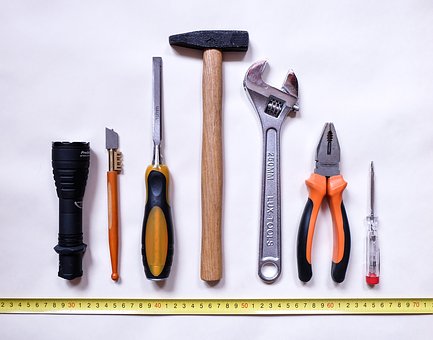
DO YOU HAVE THE PROPER TOOLS?


Who doesn't love the escape that good fiction provides? Whether it’s a steamy Harlequin love novel, a scripted play or a box office movie, good fiction entertains, inspires, intrigues and makes us believe in magical possibilities.

But, in order for fiction to do its job, writers must do theirs.
They must approach their stories in a smart, creative, strategic, effective way.
Why? Because bad fiction is as easy to spot as a woman with a bad weave job.
And it insults your audience’s intelligence.

One of the biggest culprits here are many of the horror movies and soap operas today.
Here’s an example to illustrate my point…

Some years ago, like countless women, I used to tune into the weekly “soaps“; I was a huge fan. My guilty pleasure back then was General Hospital. The love affair between Luke and Laura was as hot and intense as Jalapeno peppers. And I was totally hooked.

SOMETIMES STORY LINES ARE TOO LAUGHABLE TO BE BELIEVABLE…

Unfortunately, this afternoon drama, that initially was a real tear-jerker for me, ended up playing out like a clumsy comedy.

The reason?
The writers of this hugely popular day-time show, in their story line, kept killing Luke’s character off and bringing him back from the dead. Luke had more lives than a cat.
After awhile, it lost its appeal and credibility for me. And it marked the final chapter of my viewing.

ARE YOU GUILTY…?

Just because fiction is categorically based upon “untrue events” doesn’t mean it should not be authentic, clever and convincing.

For instance, if the setting of your story is a desert island, it would be totally ridiculous for the main character to be stranded in some remote place sending an email to his lover on his laptop. Or for your damsel in distress to be pregnant at the age of 70.

Get the idea here?
So, how can writers craft stories that are compelling, enjoyable and believable?

HERE ARE 5 TIMELY TIPS TO CONSIDER:


RESEARCH--If your story or book is based upon situations and people outside the scope of your real-life personal experiences, research can help you to “work smarter, not harder,” fill in information gaps and help avoid potential embarrassment.

Here’s a link to 7 resources to put you on the “write” path:

http://www.dailywritingtips.com/7-great-online-research-resources-for-writers/

OBSERVE--Good writers are naturally curious. Observation informs us, broadens our horizons, and feeds the imagination. If your story is intended to be funny, why not visit a comedy club, or study the works of Erma Bombeck? If you’re writing a children’s book, go to the park, the zoo, or watch your little ones for key clues to how they tick and what they like.

INTERVIEW--Talking to industry experts can provide greater clarity and enhance your story. Remember, “the devil is in the details.”

If your protagonist is a cop, what are his challenges? What is a typical day like? What is a common scenario? Ask, assess and apply.

CONSULT--Get feedback from other writers you respect. Sometimes we are much too close to our work to view it objectively and with a discerning eye. A second set of peepers can make all the difference. Don’t let your ego get in the way of your excellence.

READ--As a general rule, you should always read voraciously in your genre of concentration.

Here are some online sites and resources you’ll want to check out to create fabulous fiction.

http://www.quertime.com/article/top-15-writing-websites-for-fiction-writers/


IN CONCLUSION
As with any other professional or creative endeavor, practice makes perfect.
For optimal results, keep these five tips in mind, and keep writing!


Thursday, August 24, 2017

4 Reasons Blog Breaks are Good for the Blogger's Soul!


It’s summer time. “And the livin’ is easy.”
All across the blogosphere (particularly with my favorite stops), I see bloggers hanging out their “gone fishin” signs, indicating a much-needed hiatus from their sites.

July through September appears to be a popular timeframe; due to vacation travel, the draw of outdoor activities, and the desire for more family time that coincides with the kids’ break from school. (Winter holidays placing a close second).

WHY BLOG BREAKS ARE GOOD FOR THE BLOGGER'S SOUL…


Though it may seem counter-productive, strategic blog breaks are essential to increasing your overall productivity and helping you to go the distance.

I can personally attest, as a blogger with over eight years of professional experience and multiple sites under my belt.

Accordingly, here are 4 main reasons why periodic blog breaks are crucial to your long-term success:


1. Blogging is truly demanding --week after week, month after month, year after year-- in terms of time, commitment, and creativity.

Just like parents need a “date night” to kick back and have fun, bloggers need to step away from the computer, disengage, shift gears, and seek balance.

Blog breaks allow bloggers to rest, rejuvenate and replenish. As a result, we become more energized and less likely to suffer from frustration and burn-out.

2. Stepping away periodically allows you to miss it and rekindle that flame.

There’s a degree of validity to the expression, “Absence makes the heart grow fonder.”
Think of how excited you feel when you, your significant other or cherished family member return from a trip.

3. Blog breaks can help enhance creativity, combat boredom and broaden your horizons.

For example, during a recent blog break, I was able to work on a new ebook of motivational quotes for my blog subscribers; dabble in poetry; do research; connect with clients to assess their ongoing needs; and read other blogs to formulate topic ideas and stay on top of what‘s trending.
I also worked on several of my house projects and even guest posted about it.

Here are some recent images from my upstairs bathroom "Home Spa" make-over.


4. You can become more strategic about your future direction.

Let’s face it: when you’re on the “grind” your main focus is typically coming up with weekly content for your readership to keep your blog current and stay the course. True?

A blog break allows you to revisit your blog with fresh eyes, analyze, and determine if your professional goals are being met or what needs to be “tweaked“.

A little time and distance can serve you well here.
 

Now that you know why blog breaks are a plus, here are a few practices and principles to consider moving forward:


Announce your intentions.


Nothing is more frustrating and discourteous to your readers, than taking a blog break without mentioning it. (Did you think we wouldn’t notice?)
I have actually stopped following sites where blog owners are M.I.A. for extended periods of time with no notice. A short blurb posted on your site specifying the duration of your break, shows respect for your readers’ time and keeps you on their radar upon return.

Use your down time wisely.


A good approach is to mix a little pleasure with a little progress.
Since I really dig blogging, sometimes when I’m on break from my blog, I guest post on other popular sites to keep my name out there, build my platform and build relationships within the blogging community. I don’t always have the time and energy amid my weekly blogging routine to do this.

Here’s something else to keep in mind: while you may typically pen epic posts for your readership, there are some very worthy sites that require posts with low word counts of 250-400 words. The benefit here? It doesn’t require a major time commitment or mental haul.


Find other ways to stay connected to your tribe while you’re away. 


A fellow blogger I know, for instance, Tweets some of her most popular posts with her Twitter followers; shares valuable resources and links for writers on Facebook; or briefly comments on other bloggers’ posts when she breaks from her blog. You should too.


IN CONCLUSION…

If you’re looking for a clever way to blog better, maintain momentum, and approach blogging with greater passion and joy, consider the benefits of taking blog breaks.

Your muse (and your spirit) will thank you.


Thoughts here?


Saturday, August 19, 2017

How Being "Self-aware" Increases Success as a Writer!


Welcome back, readers!
It's great to return from my break. I hope you've enjoyed your summer so far.
Today's post provides tips to enhance your writing career that won't require a great deal of mental muscle or money.
As always, I welcome your comments, questions and suggestions.
If you're on board, let's get busy.

  "What you don't know can’t hurt you,” states a popular adage.


Perhaps in some aspects of life this may ring true: the secrets to your mom’s meatloaf recipe; your “real” current weight; the hidden mysteries to what your future holds--being in the dark about these things definitely won’t doom you.

But, when it comes to writing survival and success, “Knowledge is power.”
That's right. Self-awareness can serve like a compass to navigate your writer’s journey with fewer detours, offer less road blocks, and help you truly go the distance.

Additionally, the more you learn the more you’ll earn.
Let’s examine how self-awareness can enhance your creative career and your bottom line:

SELF-AWARENESS HELPS TO


  • Establish your U.S.P. and maintain a competitive edge
  • Align your projects with your goals, passions and values
  • Become more purposeful
  • Save time and money due to “false starts”
  • Become more focused and strategic; thereby increasing your productivity
  • Make more informed decisions
  • Exercise greater objectivity
  • Partner with the best people

Here are a few examples of how self-awareness shows up in my writing life and makes me more successful and prolific, as opposed to just operating randomly (and blindly).

STRESS MANAGEMENT
Some people thrive under pressure. I'm not one of them. Though I can handle "heat" I prefer not to. With this in mind, in order to produce at my best level and avoid unnecessary stress, I always work in advance of clients’ and editors’ deadlines.
 
STRATEGY
Since I don’t like to spend a lot of time interacting on social media, (I consider myself more intellectual than social), I place XTRA effort on creating quality content on my blog. This in an effort to work smarter, not harder. How? As a result, fans and followers of my blog share my content in their vast “circles” and serve as “publicists” for my brand, in the absence of my own social media efforts. (By the way, thanks so much to those of you that do.You rock!)

SAVVY WITH CLIENTS 
Choosing the right clients and editors to work with can go a long way in terms of productivity, peace of mind, and profitability. Based upon past experience and previous projects, I recognize exactly which personality traits and work styles offer the most compatibility and the best prospects for collaborative success. Knowing this allows me to have less trial and error and greater client retention.
 
DON’T OPERATE IN THE DARK…Sadly, I witness so many passionate writers and bloggers that are clueless as to their true strengths and weaknesses and how to use this information to their advantage (surprisingly, even writers who have been writing for many years).


     THIS IS EVIDENCED BY:
Blogs with little or no growth
Blogs with few or no comments
Goals unmet
Their refusal to take classes or read books that can increase
their creative I.Q.
Not hiring an editor before publishing their books
Focusing on the wrong genre

Don’t let this be you. To realize your full writing potential, below are 8 key areas you should know like the back of your hand (in no particular order):
 
    1. Your physiology and your most productive times (Are you an owl or lark?)
    2. Your stressors
    3. Your limiting beliefs and fears
    4. Your target audience (and their pain points)
    5. Your motivators
    6. Your competition
    7. Your creative “super powers”
    8. Your needed areas of improvement
     

    With this is mind, here are a few timely tips to help you know more, grow more, and operate from a place of greater wisdom and clarity:

Keep a journal.

 
Journals are great for documenting experiences, lessons learned, creative challenges, and future goals. Study it over time. Reflect. Assess. Observe patterns. Discover what has worked in the past and what didn‘t. Revisit. Revise.

 Get a second opinion.

Many times we lack objectivity in evaluating our own work. That’s why it’s smart to have a critique group, an editor, or a writer you admire to provide creative input. Even the Bible states: “The wise seek counsel.”

 Pay attention to what editors pay attention to.
Do they comment on your punctuation? Your grammar? Your flow? Do they praise your prose?
Is there commonality in their comments? Start here.


Here's how world-renowned writer, Warren Adler (War of the Roses author) views the role of self-awareness in his career: "When my self-awareness tells me I cannot fulfill my aspirations, I will quit cold."


In conclusion---

Don't let your ego get in the way of your excellence. You're better than that.
If your goal is to be "known" by  larger audiences, it's crucial that you get to know yourself better first---to offer them the best of you.


Thoughts here? Agree or disagree?
How has self-knowledge guided or influenced your career?  


Image credits: Pixabay.com